
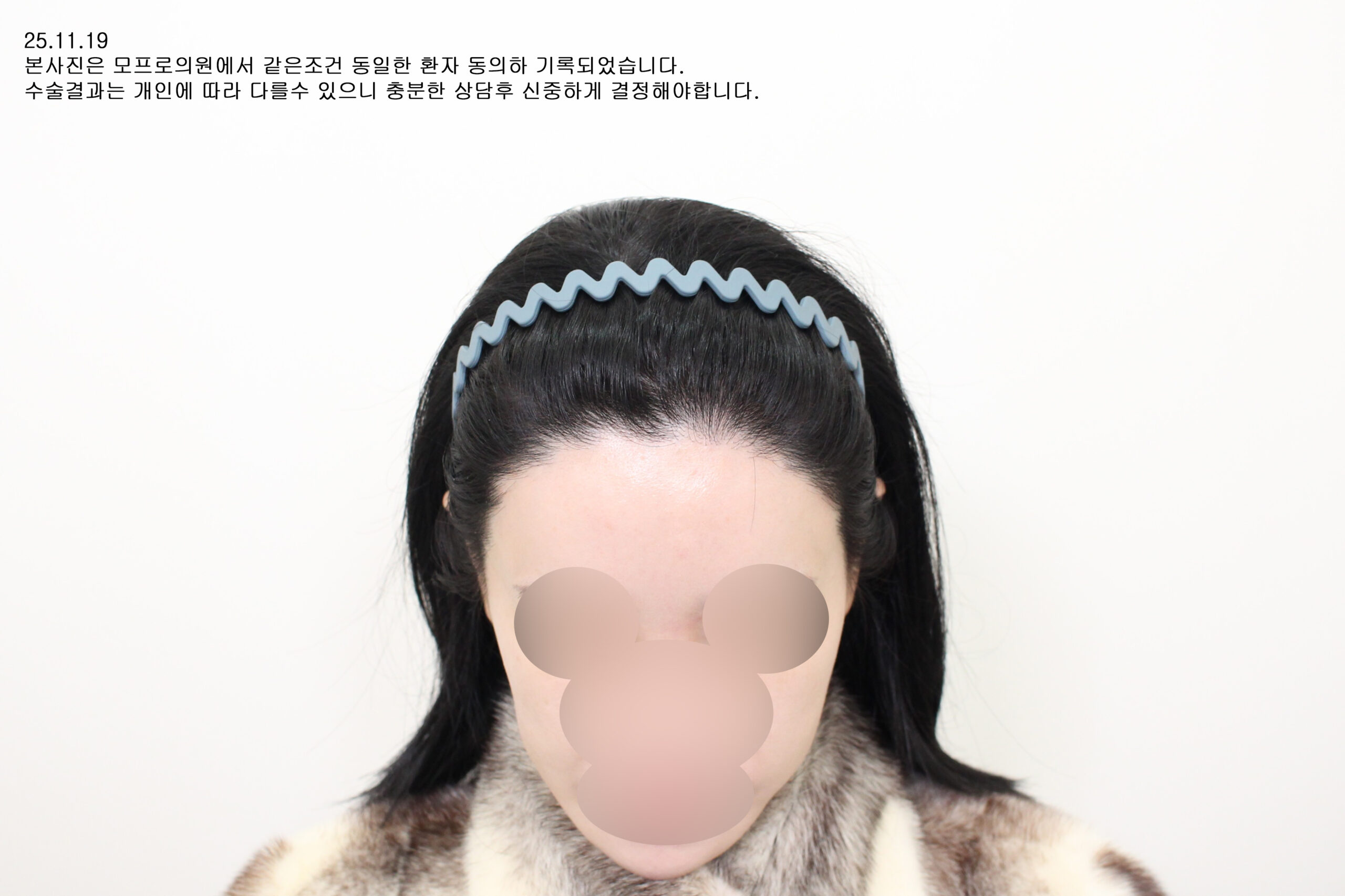
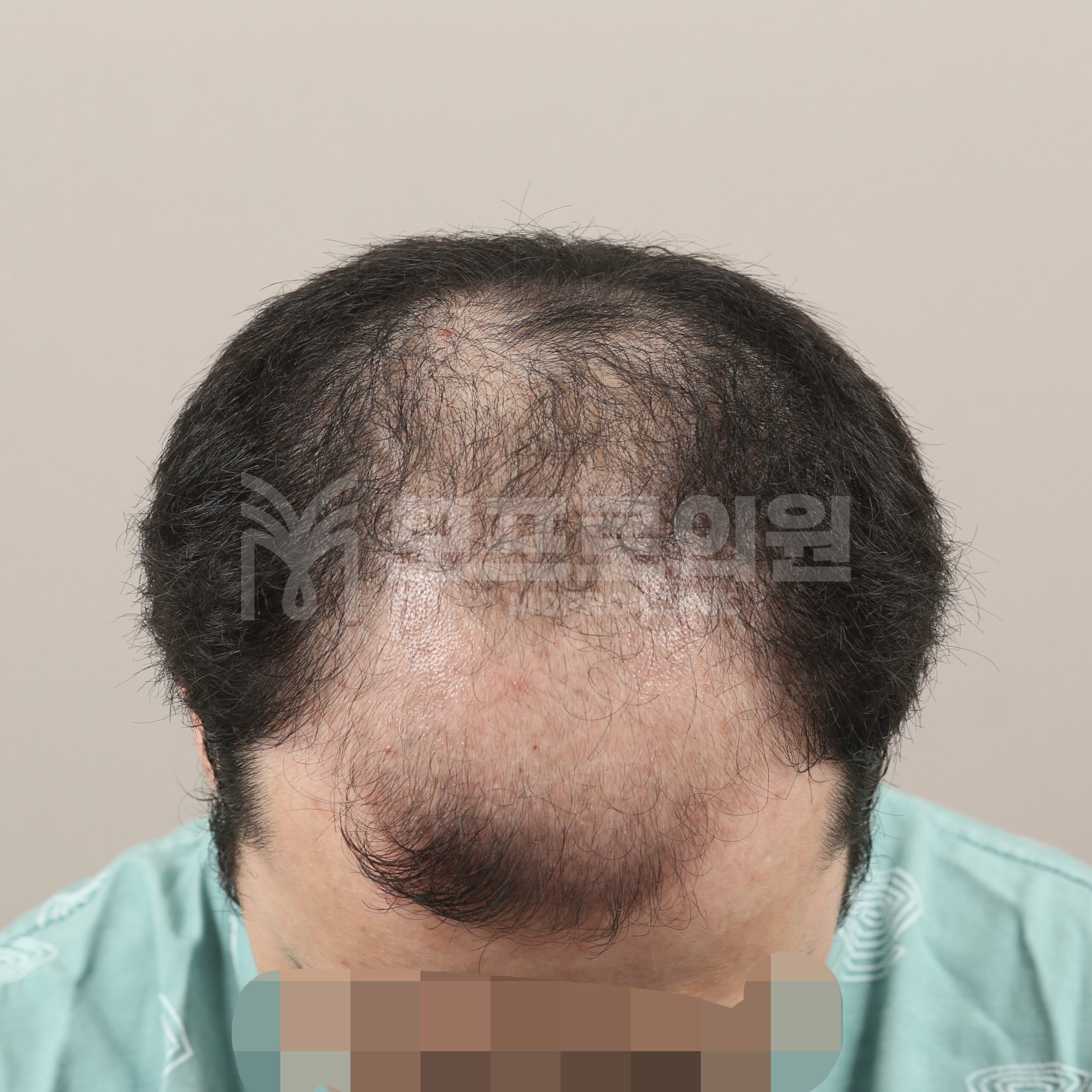
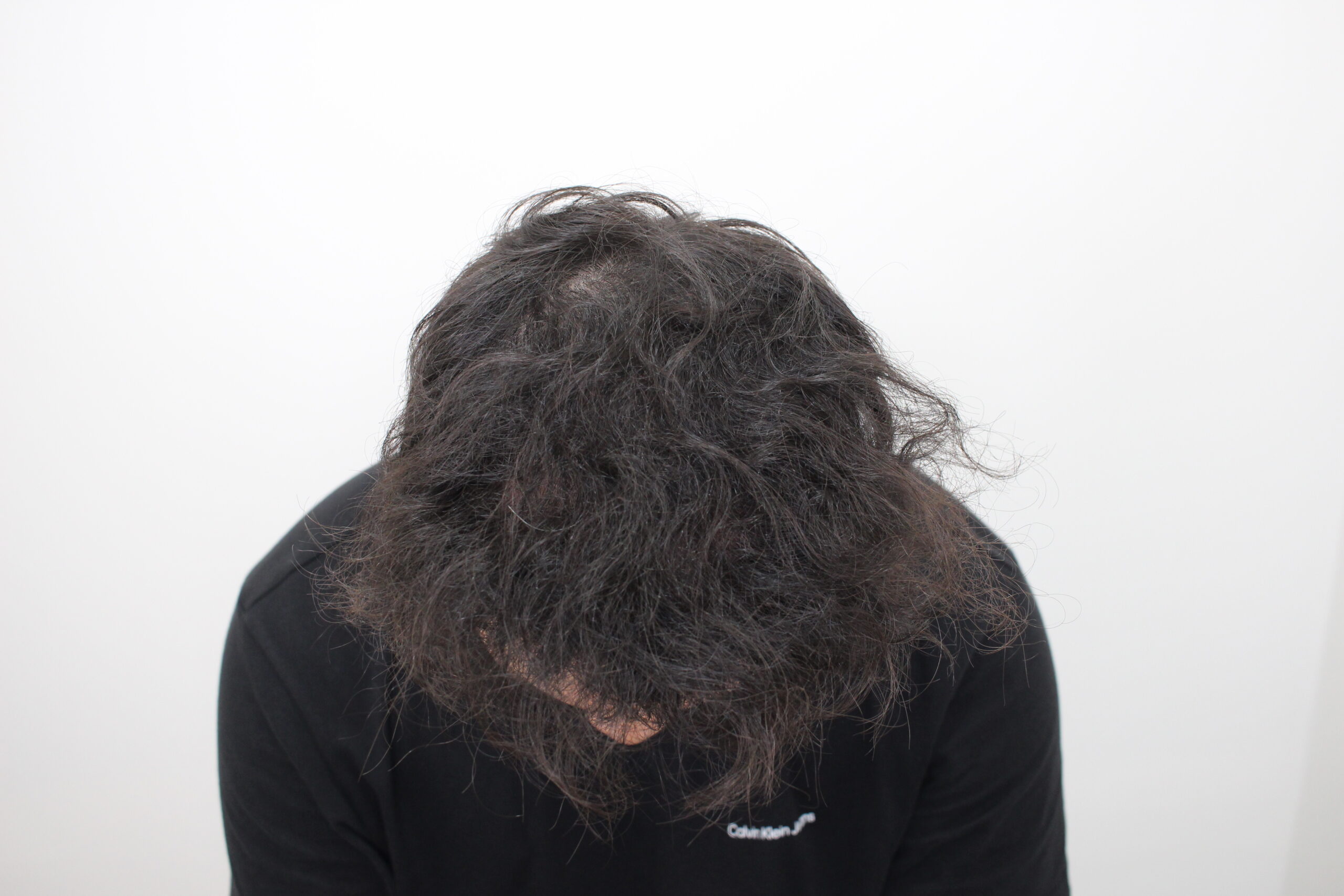
FACTOR
Growth Factor Therapy for Hair Loss

Supporting hair follicles through biological signaling,
not forced growth.

Growth Factor Treatment

Growth Factor Therapy focuses on restoring
the biological communication environment
around hair follicles.

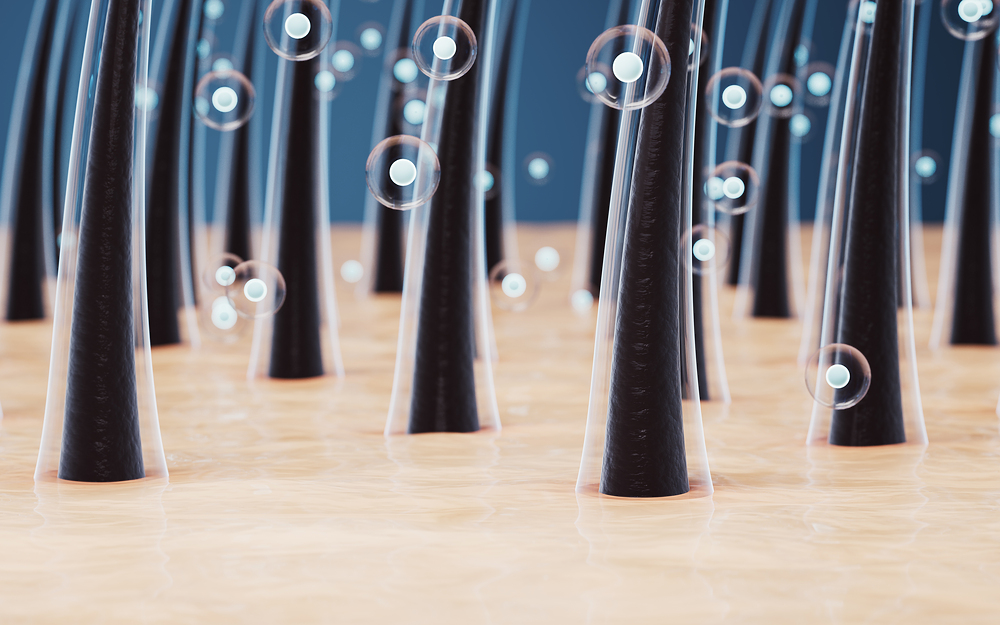
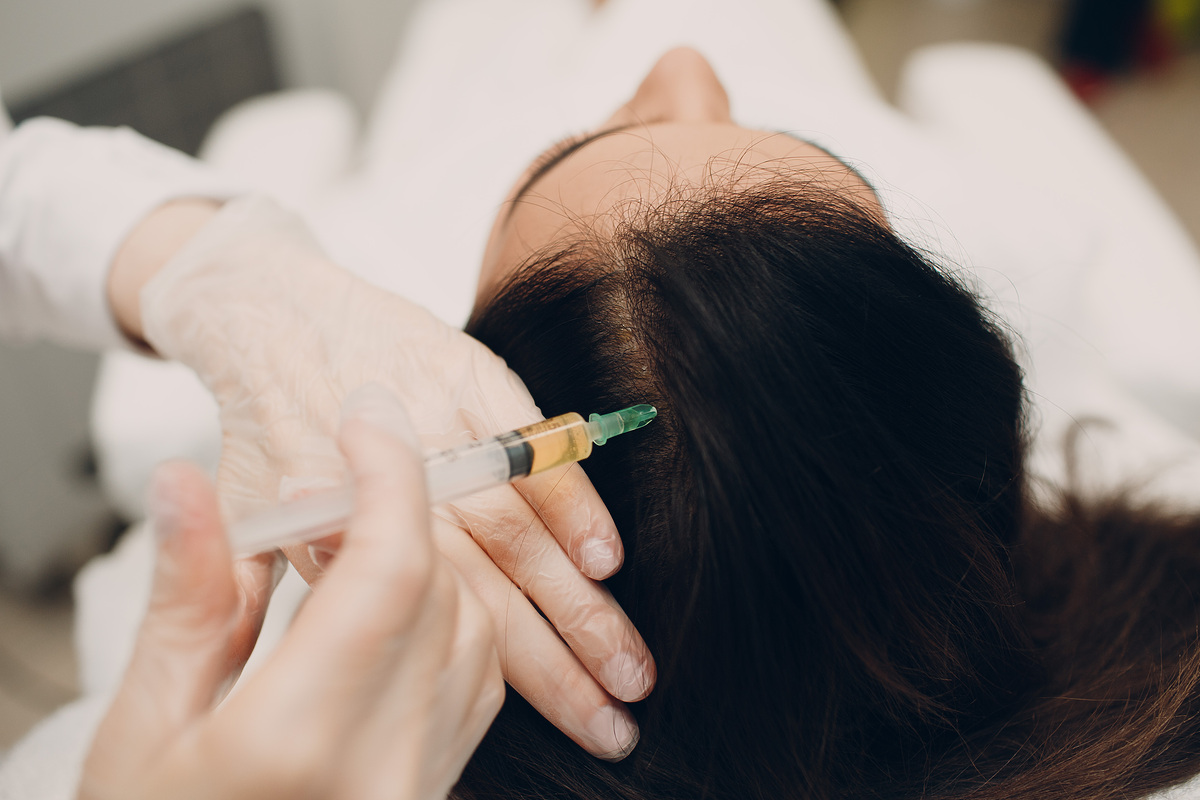
This treatment delivers carefully selected growth factors to the scalp,
aiming to support follicular activity, prolong the anagen phase,
and stabilize hair loss progression.

This approach has been explored as an adjunctive therapy for
various types of hair loss, including androgenetic alopecia.

Clock

Procedure Time

10 ~ 15 Mins

Syringe

Anesthesia

Not Required

Heart

Downtime

None, return to daily
life immediately

Calendar

Duration of Effect

Approx. 4-6 Months

Recommended Frequency

Recommended Frequency

Individualized based
on diagnosis

MOPRO CLINIC

Effects of Growth Factor Therapy
in Hair Loss Treatment

Growth Factor Therapy works by delivering biologically active signaling molecules
that interact with hair follicle cells and surrounding tissue.
These signals help create a supportive microenvironment for hair follicles,
particularly in scalps affected by inflammation, impaired circulation, or disrupted growth signaling.

  • Activation of Hair Follicle Signaling

    Growth factors such as VEGF, IGF-1, bFGF, and KGF are involved in regulating hair follicle activity.

    When delivered to the scalp, these factors may support cellular signaling related to follicle vitality, helping hair follicles maintain functional activity rather than entering premature regression.

  • Support of Anagen Phase Maintenance

    Support of Anagen Phase Maintenance

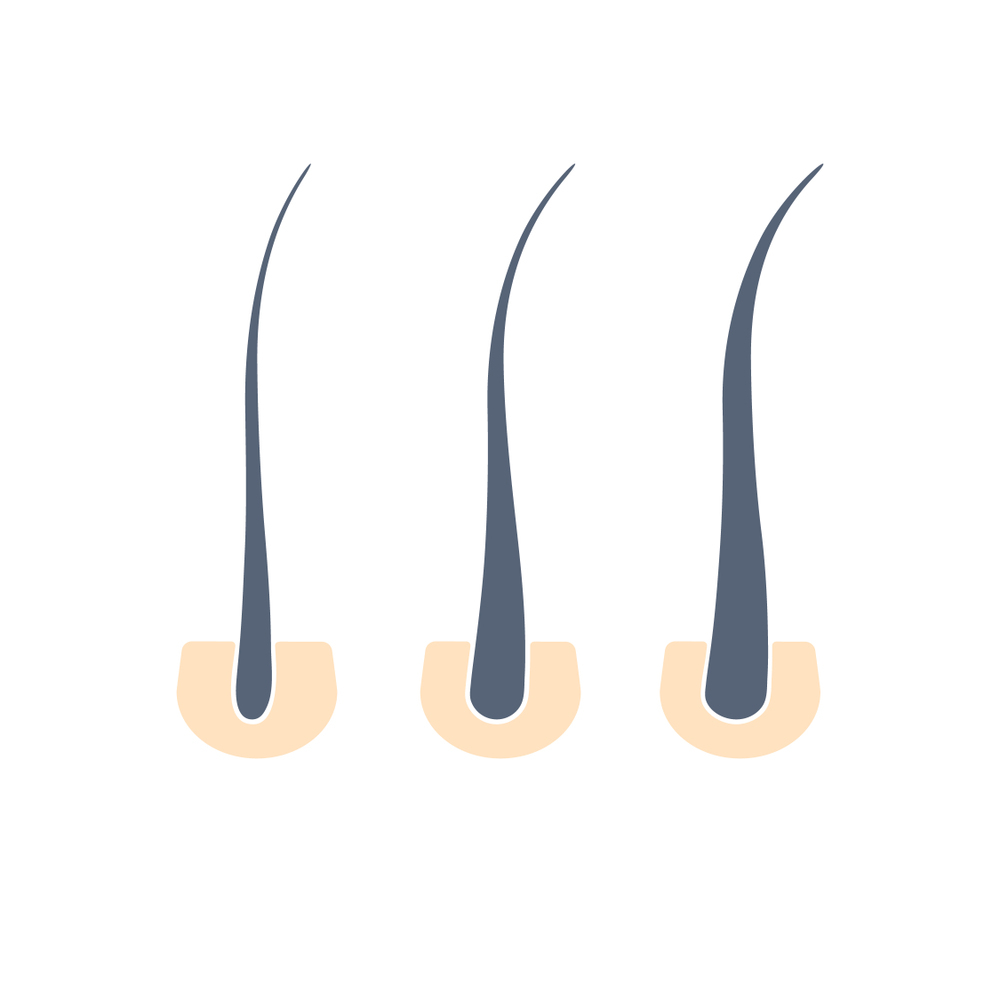
    Hair growth depends not only on follicle presence but also on the duration of the anagen (growth) phase.

    Growth factor signaling has been associated with prolonging the anagen phase and stabilizing the hair cycle, which may contribute to improved hair thickness and reduced shedding over time.

  • Scalp Environment Stabilization

    Scalp Environment Stabilization

    Growth factors may help modulate local inflammation and improve interactions between dermal papilla cells, fibroblasts, and surrounding tissue.

    By supporting a calmer and more balanced scalp environment, this therapy aims to reduce conditions that contribute to follicular miniaturization.

MOPRO CLINIC

Advantages of
Growth Factor Therapy

01

Biology-Based
Supportive Treatment

Growth factor therapy focuses on physiological signaling rather than mechanical stimulation or forced regeneration, aligning with natural hair growth processes.

02

Targets the
Microenvironment

By influencing vascular, cellular, and inflammatory pathways, growth factors help optimize the scalp conditions that affect hair follicle behavior.

03

Minimally Invasive
and Scalable

The procedure is simple, requires no surgical intervention, and can be adjusted in concentration and frequency based on individual scalp conditions.

04

Suitable for
Long-Term Management

With minimal downtime and low daily-life interference, growth factor therapy can be integrated into long-term, maintenance-oriented hair loss care plan.

MOPRO CLINIC

Precautions After Hair Loss Treatment

  • check

    For the first 3–7 days after treatment, please avoid excessive alcohol consumption,
    saunas or steam rooms, hot baths, and strenuous exercise.

  • check

    Avoid excessive rubbing or irritation of the treated area.
    Deep or vigorous scalp massages should be avoided for approximately one month.

  • check

    Small bumps or injection marks may appear temporarily after treatment and usually subside within 3–4 hours.
    Mild bruising or swelling can occur depending on individual skin sensitivity, but these effects typically resolve within 3–7 days.

Dr. Kunhak, Moon Chief Director / Specialist
"Helping people
through the work I love
is my greatest fulfillment."
If you are unsure whether hair transplantation or
medical treatment is the right step,
please feel free to visit us with confidence.

At Mopro Clinic, I personally take the time to
understand each patient’s condition and help determine
the most appropriate direction—one patient at a time.
Schedule a Consultation

Pin 3F, Sinung Tower 2, 157 Dosan-daero, Gangnam-gu, Seoul, Republic of Korea (06037)

(Within a 7-minute walk from Sinsa Station, Exit 8)